
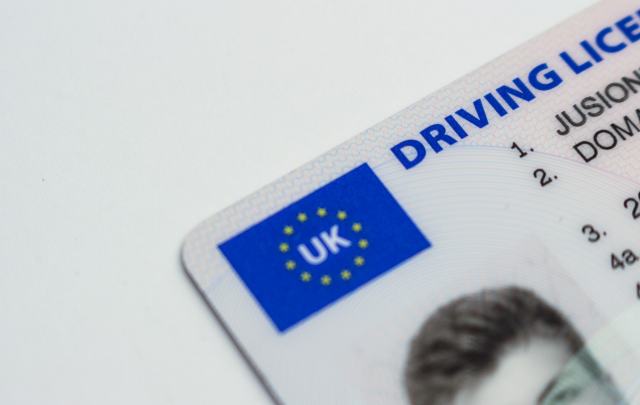
Every car rental in France starts with the driving licence: before a road trip from Paris, the rental desk checks a valid licence it can read, an International Driving Permit for many licences issued outside Europe, a passport and a credit card in the main driver's name, or the car stays in the car park.
Driving licence, car rental, France: three checks at the counter
- Licence from the EU, the EEA or the United Kingdom: valid to drive in France as it is.
- Other licences: International Driving Permit or official translation.
- Rental companies in France: age floor, usually 21, and a credit card for the car deposit.
Which licences French rental desks accept as they are
A driving licence issued in a European Union country, or in Iceland, Norway or Liechtenstein (the European Economic Area), is recognised in France exactly as it stands. No translation, no stamp and no extra permit are needed, whatever language the card is printed in, because the format is harmonised across the European Union. The same plastic card that works at home works at a car rental desk in Paris, Lyon or Nice, and at any car hire agency across France.
A licence from the United Kingdom also works for a visitor on a short stay. Since Brexit, France and the United Kingdom have kept a mutual recognition arrangement, so a British photocard licence is enough to rent a car and drive in France without an International Driving Permit. The old paper-only licence, without a photo, causes more trouble at the counter: rental companies often ask for a passport alongside it, and some agencies refuse it outright, so check the supplier's policy if you still hold one.
Swiss licences are in a similar position in practice: France recognises them for visitors, and the major rental companies treat them like a European licence. For every other country, the question is no longer where the licence comes from but whether a French official can read it.
Licences from outside Europe: permit or official translation?
A foreign driving licence issued outside Europe is valid in France for a visitor only if it is written in French, or if it travels with an official translation or an International Driving Permit. This is the rule set out by Service-Public, the official information portal of the French administration. A licence from the United States, Canada, Australia or Japan is printed in English or another language, so in practice the driver needs one of the two documents. An English-language US license counts as a foreign licence like any other: English is not French, and a car rental in France still requires the permit or the translation with it, whatever some travel guide sites suggest.
Most rental companies go further than the law and simply ask for the International Driving Permit, because their staff can read it at a glance. An official translation is legally enough on the road, yet a counter clerk in a busy airport may not want to check a translated document line by line. For a trip built around a car rental in France, the permit is the safer choice.
Getting an International Driving Permit before you fly
An International Driving Permit is issued in the country that issued your licence, not in France, so it has to be obtained before departure. In the United States, the AAA issues it; in Canada, the CAA; elsewhere, the national motoring club or the licensing authority. The permit is a translation of your licence into several languages. It is not a licence of its own: without the original card, it is worthless, and the desk will ask for both.
The official translation route
A translation made abroad has to be legalised or apostilled to count. A translation made in France must come from a sworn translator or from the consulate or embassy of the country that issued the licence. This route suits a driver who is already in France and has no time to order an International Driving Permit from home, but it takes days, so it rarely saves a booking at short notice.
How long a foreign licence stays valid when you drive in France
A visitor whose normal residence is abroad can drive in France with a foreign licence for the length of a tourist stay, as long as the licence is valid on the day of driving and was issued by the country where the driver lives. Any condition printed on the card still applies behind the wheel: a licence that requires glasses means glasses on the road in France too, and a licence limited to automatic gearboxes limits the rental to an automatic car.
The picture changes for someone moving to France. A non-European licence stays recognised for one year after the holder takes up normal residence in the country; after that year, it has to be exchanged for a French licence through the online service of the ANTS, the French agency for secure documents, if an exchange agreement exists with the issuing country. Students and people on a long assignment should check this before signing a long-term car rental contract, because a rental company cannot cover a driver whose licence is no longer valid in France.
An expired licence, a provisional or learner licence, or a licence under suspension in its issuing country never works, whatever permit comes with it. Digital licences shown on a phone are another trap: the rental desk wants the physical card.
Documents to bring, by licence origin
The table sums up what a driver should carry to the rental desk, depending on where the licence was issued. Rental companies can ask for more than the law requires, never less.
| Licence issued in | Extra document for driving | Identity at the desk |
|---|---|---|
| European Union or European Economic Area | None | ID card or passport |
| United Kingdom (photocard) | None for a short stay | Passport |
| Licence written in French (Quebec, some African countries) | None | Passport |
| United States, Canada (outside Quebec), Australia and other countries | International Driving Permit or official translation | Passport |
Every driver also needs a payment card in their own name and, for a pick-up at an airport, the flight number on the booking, so the agency holds the car if the flight lands late.
Age, experience and the young driver surcharge
The age a rental company accepts is not the legal driving age. Rental companies in France usually require drivers to be at least 21 and to have held their licence for at least one year; for premium, luxury car or large vehicle categories, the floor often rises to 25 and two or three years of experience. The details of the legal driving age in France for visitors are a separate question from these commercial rules, and the desk always applies the stricter of the two.
Drivers under 25 almost always pay a young driver surcharge, charged per day of rental and capped by some suppliers. Its level varies with the company, the car category and the pick-up location, so compare it in the full quote rather than in the headline rate. Some categories stay closed to young drivers whatever they are ready to pay.
Experience is counted from the date of issue printed on the licence. Young French drivers who learnt through accompanied driving, open from the age of 15, still count their experience from the date the full licence was issued, and the same goes for visitors whose home country offers accompanied learning: accompanied hours never replace a full licence at a car rental desk in France. A driver who renewed or replaced a card recently should bring proof of the original date, otherwise the desk may read the new date and refuse the booking.
Credit card, deposit and the name on the booking
The payment card is where most bookings fall apart. The rental company takes a security deposit as a hold on a credit card in the main driver's name, usually an embossed card, and the name must match the licence and the booking exactly. A card belonging to a partner or a parent does not work, even if that person stands next to the driver.
Debit cards and prepaid cards are refused by many agencies in France, even when the rental itself has already been paid online. A few suppliers accept a debit card with a bigger deposit or a compulsory insurance package; the conditions for renting with a debit card in Paris differ from one company to the next, so read the payment section of the rental policy before you pay.
The size of the hold depends on the car category, the insurance chosen and the excess left with the driver. Taking the full cover at the desk usually lowers it; declining it raises it. Make sure the card limit leaves room for the hold plus fuel, tolls and parking for the whole trip.
Additional drivers and what changes the final bill
Every person who will drive the car must be named on the rental agreement and present their own licence, permit if needed, and passport at the desk. An unregistered driver is not covered by the insurance, and any damage or accident then falls on the main driver. Many companies charge a fee per additional driver per day; some include one partner or spouse at no charge, so check the terms.
The final bill moves with a handful of choices made at the counter: the number of drivers, their age, the insurance level, a one-way drop-off, an automatic gearbox, child seats and the fuel policy. None of them appears in the advertised rate. Asking for a written quote with every extra listed is the simplest way to compare two car rentals honestly.
Once on the road: papers and equipment to keep in the car
A driver in France must carry the driving licence at all times while driving, together with the permit or translation when one is required. The police can ask for them at any roadside check, and a foreign licence left at the hotel counts as driving without a licence on the spot. Keep the passport within reach too.
The car itself comes with its own documents. The vehicle registration certificate and the rental agreement usually sit in the glovebox; check both are there before you leave the car park. Since April 2024, French cars no longer carry an insurance sticker on the windscreen: the police check cover through a national database, so the rental agreement is your proof.
Two pieces of equipment are compulsory in every car on French roads: a high-visibility vest within reach of the driver and a warning triangle. In Paris, Lyon and other cities with low emission zones, the car also needs a Crit'Air sticker; most rental cars carry one, and the Crit'Air sticker rules in Paris explain which vehicles may enter on restricted days. Road safety checks are frequent on motorways and at the edge of big cities, especially in summer.
Checking the rental policy before you book
Requirements vary slightly between suppliers, and the rental policy of each company is the document that counts at the desk. Before you rent, check four lines: the minimum age and years of licence, the accepted cards, whether an International Driving Permit is required for your country, and the rules for additional drivers. Brokers and comparison sites show a summary, but the supplier's own terms decide.
Agencies at airports and train stations see the most foreign licences and are used to checking them. If you plan a CDG airport car hire, book with the flight number and allow extra time at the desk in peak season, when queues of international travellers are long. Smaller city agencies in Nice, Lyon or Bordeaux may have stricter hours, so a late arrival can leave the car unclaimed.
A car hire customer who lands at Marseille, Toulouse or Bordeaux airport and plans to visit Normandy, or to take the ferry to Corsica, should say so at the time of the reservation: some cars may not leave mainland France, and a one-way car return to another city changes the price. Most car rental firms in France run a mobile app that holds the reservation, a map of the return car park and customer service in English, which helps when you travel without speaking French.
Keep a digital copy of every document: licence, permit, passport and booking confirmation. A photo does not replace the original at the counter, but it helps if a card is lost during the trip and you need to explore France for another week with a replacement on the way.
Licence questions travellers ask at a French rental counter
Can I rent a car in France with a US driver's license only?
A US licence alone is not written in French, so the law expects an International Driving Permit or an official translation with it. Some desks hand over a car without the permit, but the driver then risks a fine at a roadside check, so bring the permit.
Is an International Driving Permit needed with a UK licence?
A UK photocard licence is enough to rent and drive in France on a short stay. The International Driving Permit becomes useful only with an old paper licence or for a long stay.
Can a second driver use a licence from another country?
A second driver can hold a licence from any country, as long as it meets the same French rules as the main driver's licence and the person is named on the rental agreement before driving.