
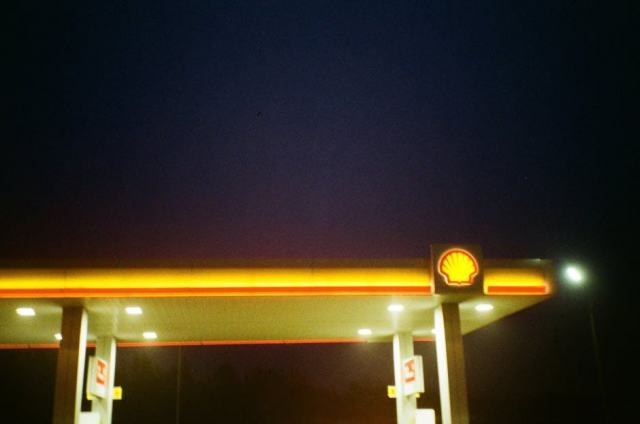
Petrol stations in France label fuel the EU way (E5, E10 petrol, B7 diesel), and the fuel price at a motorway gas station often sits well above the average of a supermarket station nearby: a quick look at the government price map before leaving your Paris hotel pays off.
- Read the label on the pump and the fuel cap: E5 or E10 for a petrol car, B7 for diesel.
- Supermarket stations usually have the lowest diesel and petrol price, motorway service areas the highest, and few hotel car parks in Paris have a pump.
- Automated pumps take chip-and-PIN cards and often hold a deposit on the card first.
- The official price map at prix-carburants.gouv.fr compares every station in France.
Types of petrol in France and what the labels mean
Fuel in France follows the European labelling standard EN 16942, in force since October 2018: every pump nozzle and every new car filler cap shows the same symbol, so a driver can match the two without reading French. Petrol grades sit in a circle, diesel grades in a square and gas fuels in a diamond. The French names still appear on the totem at the station entrance, which is why it helps to know both.
Most rental cars from Paris take SP95-E10 or SP95-E5 petrol, or B7 diesel. The booking voucher and the sticker inside the fuel flap state the right type: read it before you lift the nozzle, because nozzle colours vary from one brand to another and are not a reliable guide.
| Label at the pump | French name | What it is | Price level |
|---|---|---|---|
| E10 (circle) | SP95-E10, sans plomb 95 | Unleaded fuel with up to 10% ethanol, the most common petrol grade | Low |
| E5 (circle) | SP95 or SP98 | Unleaded petrol with up to 5% ethanol, 95 or 98 octane gasoline | Middle to high |
| E85 (circle) | Superéthanol E85 | Super ethanol for flex-fuel engines only | Lowest |
| B7 (square) | Gazole | Standard diesel fuel with up to 7% biodiesel | Middle |
| XTL (square) | HVO, gazole renouvelable | Synthetic diesel, only for engines approved by the maker | High |
| LPG (diamond) | GPL | Liquefied petroleum gas for LPG cars | Low |
What is SP95 fuel in France?
SP95 is the French name for 95-octane unleaded petrol, "sans plomb 95". On the pump it comes in two versions: SP95-E5 with up to 5% ethanol and SP95-E10 with up to 10%. Almost every petrol car sold since 2000 accepts E10, and it is usually the cheaper of the two. SP98 is a premium 98-octane petrol with a higher price; a rental car does not need it unless the manual says so.
Is E5 petrol easy to find in France?
E5 petrol remains on sale at most petrol stations in France, usually as SP98-E5 and at many stations as SP95-E5 too. In rural areas some small stations sell only E10 and diesel. If your rental car is labelled E5 only, the official fuel map lets you filter stations by fuel type before you set off.
Wrong fuel in a rental car: what to do
Putting diesel in a petrol car, or petrol in a diesel, is the most expensive mistake a renter can make at a gas station. The rule is simple to apply: do not start the engine, do not even switch on the ignition on some models, push the car away from the pump and call the breakdown number on the rental agreement. Draining the tank on the spot costs far less than repairing a fuel system, and most rental contracts leave that repair to the driver. The cover described in the guide to what rental insurance in France really covers rarely includes misfuelling.
Where are the petrol stations in France?
Petrol stations in France fall into three families, and each one changes the price you pay and the service you get.
- Motorway service stations (aires de service): open day and night, with shops, toilets and often an EV charging hub, but the highest fuel prices in the country.
- Supermarket petrol stations (Leclerc, Carrefour, Intermarché, Super U, Auchan): generally the cheapest petrol station in a town, with automated pumps that keep working when the shop is closed.
- Brand stations (TotalEnergies, Esso, BP, Shell, Avia): spread along main roads and in towns, with prices between the two others.
Inside Paris, service stations are relatively few and often squeezed into tight forecourts or underground car parks. A driver who picks up a car near a hotel in central Paris usually finds it easier to refuel on the way out, at a supermarket station in the suburbs. The same logic applies on return: fill up a few kilometres before the drop-off, as explained in the advice on returning a car at CDG or Orly, because a car brought back short of fuel is refilled by the agency at its own rate.
In remote parts of the Massif Central, inland Brittany or the Alps, stations can be far apart and closed on Sunday afternoons apart from the card pump. Keeping the tank above a quarter on those routes avoids an anxious search.
How to compare fuel prices in France
The French government publishes real time fuel prices on prix-carburants.gouv.fr: stations are required to declare every price change, and the interactive map shows the price of each fuel at each station in France. Search by town or along a route, filter by fuel type, and the map ranks the stations from cheapest to dearest. Several free apps read the same data.
What moves the price at the pump is mostly the type of station and its location: a motorway service station sits at the top of the range, a supermarket forecourt at the bottom, and a station in central Paris is rarely cheap. Leaving the motorway at an exit to refuel at a hypermarket can save more than the toll costs, a trade-off covered with the figures on French highway tolls and how to pay them.
How to use French fuel filling stations
Most French filling stations are self service gas stations. You pull up, read the pump number, fill the tank and then pay either at the pump or at the counter. Two systems coexist:
- Pay at the counter: fill up first, then give the pump number to the cashier. This works only when the shop is staffed.
- Pay at the pump (automate, "CB 24/24"): no attendant is needed: insert the card before fuelling, type the PIN, choose the pump and fuel, then fill. Instructions for petrol pumps are often shown in English, with a flag button on the screen.
Automated pumps place a pre-authorisation on the card before the fuel flows, then charge only the amount actually taken; the unused part of the hold is released by the bank within a few days.
Which cards work at a French petrol station?
A chip-and-PIN credit card or debit card works at nearly every pump. Contactless payment is common at staffed stations and spreading to automated pumps. Cards without a PIN, or issued with signature only, are sometimes refused by the automats at night, so drivers from North America should check that their card has a PIN before the trip. Cash payment is still accepted when the shop is open, which makes a small reserve of euros useful in rural areas; a prepaid or debit card used to rent the car may hit its limit after the pump hold.
Fuel shortages in France: how likely are they?
Fuel shortages in France are rare but they happen, mostly during refinery strikes or blockades of fuel depots. The last large wave, in October 2022, left a significant share of stations short of at least one fuel for several weeks, with long queues and temporary limits on the quantity per car. Fuel supply shortages on motorways tend to last less, because those stations are delivered first.
During a strike, the prix-carburants.gouv.fr map shows which stations report a fuel as out of stock, and French news sites publish regional lists. Filling up whenever the tank reaches half is the simplest defence for a short trip.
Electric cars and charging instead of fuel
An electric rental car turns fuel stop planning into charge planning. Fast chargers sit at most motorway service areas, and apps such as Chargemap or ABRP show real-time availability on a map. Most fast chargers now accept a contactless bank card without registration, although a charging account often gives a better rate. The choice between an EV and a petrol car for a long trip is weighed in the guide to electric car rental in France.
Petrol stations: short answers for rental drivers
Are petrol stations in France open 24 hours?
Motorway service stations stay open 24 hours. Elsewhere the shop closes in the evening and often on Sunday, but the automated card pump keeps working, so fuel remains available at most stations at any hour with a chip-and-PIN card.
What does "gazole" mean at a French pump?
Gazole is the French word for diesel, labelled B7 on the pump. It is not petrol: a petrol car must take sans plomb, labelled E5 or E10.
Do I have to return a rental car with a full tank?
Most rental agreements in France use a full-to-full fuel policy: the car leaves full and must come back full. If it does not, the agency charges the missing fuel at a price above the pump plus a refuelling fee, so a last stop at a station near the return point pays off.